
What Now? Part 1
7 Things to Resist Fascism

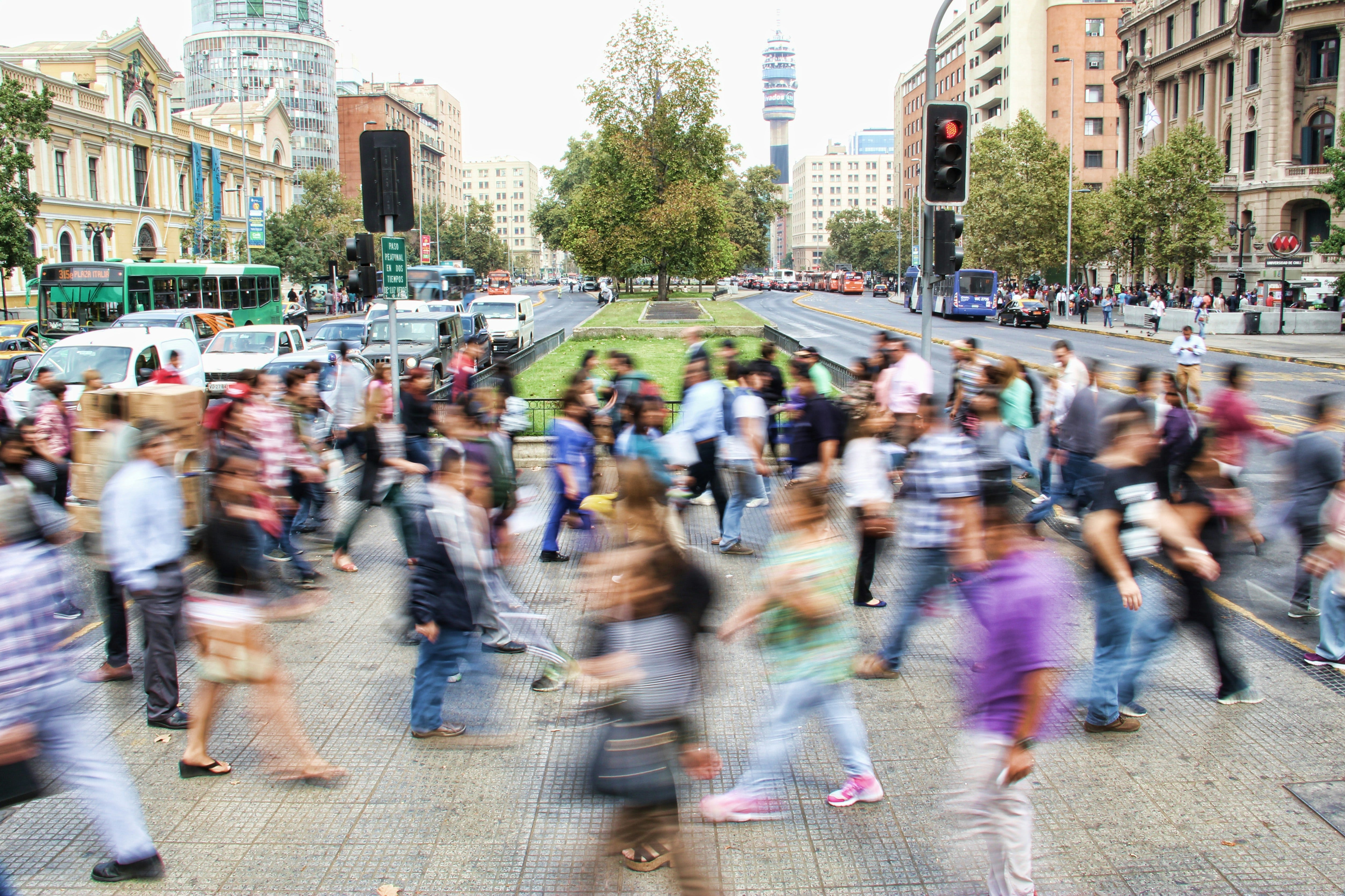
Photo Credit: Mauro Mora
When something terrible happens, our initial response is often one of denial. The five stages of grief begin with denial, and as you move through the cycle—anger, bargaining, depression—you eventually reach acceptance. Acceptance doesn't mean simply giving in, but it does require acknowledging the truth and in this case that fascism has taken over the US.
Many Americans still cling to the idea that "it can't happen here." This denial is American exceptionalism. It is the belief that, due to our institutions, laws, and traditions, collapse is impossible. Yet every empire in history has fallen, and the same patterns emerge: endless wars and military overreach, widening inequality that erases the middle class, political institutions paralyzed by corruption and partisanship, and leaders who scapegoat the poor and marginalized to cover their own greed.
In international law, this is sometimes referred to as the "Entrapment Theory" when a superpower doubles down on poor decisions due to heavy investments in wars or economic policies. Vietnam, Iraq, and Afghanistan are examples, as are economic mistakes like high tariffs, bank failures, and widening wealth gaps. In 1930s Germany, many Jewish families were reassured by neighbors, colleagues, and even religious leaders that things would calm down or even self-correct. It did not. Fascism rose to power, and the Holocaust followed. Six million Jewish people were mass murdered, along with Soviet prisoners of war, non-Jewish Polish civilians, Romani people, people with disabilities, political opponents, LGBTQ+ people, and Black people.
Fascist regimes follow a predictable pattern: they glorify a "lost golden age," scapegoat a vulnerable group, dehumanize them through propaganda and media control, arm militias, pass exclusionary laws, and silence opposition.
Our current administration has adapted Viktor Orbán's playbook. He came to power in Hungary in 2010, by blaming migrants, Romani people, and LGBTQ+ people for Hungary's problems. He came to power and his oligarchic friends bought up legacy media and have spread fear through state-controlled media. He has since altered the constitution, stacked the courts, and revised election laws to keep his party, Fidesz, in power.
This is happening here, and the sooner we acknowledge it, the sooner we can respond. Here are seven ways to respond to fascism.
1. Wake Up: We Are in Civil War 2
One reason fascists have gained power in the US is that many people dismissed candidates like Harris, believing a vote for her was not a "moral choice." That kind of privilege may exist in a democracy, but not under authoritarianism. Waiting for a flawless, messianic leader to save us is naive at best and self-destructive at worst. Rena Finder, a Jewish woman rescued by Oskar Schindler, once responded to claims that Schindler was a womanizer and a drunk by saying, "He was not a holy man, and he helped. But where were the holy people?" It is easier to demand perfection than to do the work of justice imperfectly. Today, leaders like Gavin Newsom and Jasmine Crockett, among others, are fighting back. Rather than nitpicking flaws or dismissing them as performative, we need to support them. At the same time, establishment figures like Schumer, Pelosi, and Hakeem Jeffries must step aside. Dictatorships are difficult to dismantle once they have truly established themselves in power. For example, Franco ruled Spain for nearly 40 years, even while surrounded by democracies. We must support the leaders who are resisting Trump's regime now.
2. Survival Is Resistance
Marginalized communities, such as immigrants, Black people, Native people, people of color, religious minorities, and LGBTQ+ communities, may choose to leave, and that is a good thing. Choosing to leave is not betrayal. Seeking safety is wisdom. Fascism feeds on vulnerable lives, so protecting those lives through pathways of escape, asylum, and refuge is a form of resistance. Harriet Tubman is remembered as a champion of the oppressed for this very reason because she saved lives by removing people from their oppressors.
3. Nonviolent Resistance First
Nonviolent resistance lowers the barrier to participation, allowing anyone, regardless of age or background, to join in. While slavery ultimately required war to end, nonviolent movements have repeatedly proven very effective.
Harvard researchers Erica Chenoweth and Maria J. Stephan studied 323 resistance campaigns from 1900 to 2006. They found:
Nonviolent movements succeeded 53% of the time, compared to 26% for violent ones.
Nonviolent campaigns were 10 times more likely to transition to democracy.
They identified the "3.5% rule": no government can withstand sustained resistance from just 3.5% of its population. In the US, that equals about 11.5 million people.
4. Economic Boycott
Economic boycotts shift the flow of money, withdraw citizens' consent from unjust systems, and compel governments and corporations to confront the cost of oppression.
Civil Rights Movement: The Montgomery Bus Boycott (1955–56), sparked by Rosa Parks, lasted 381 days and bankrupted the system. It ended with the Supreme Court ruling that segregation on buses was unconstitutional.
South Africa: From the 1950s to the 1990s, boycotts, divestments, and sanctions, combined with internal resistance, weakened apartheid's legitimacy and pushed the regime into negotiations.
United Farm Workers: In the 1960s and 70s, César Chávez and Dolores Huerta organized a national grape boycott. Millions joined, and eventually growers signed contracts granting workers fair pay and conditions.
5. Social Media Activism
Movements such as Black Lives Matter, the Climate Strikes, and the Arab Spring have leveraged social media to mobilize solidarity. Social media can counter misinformation, organize protests, share information quickly, and challenge propaganda all at minimal cost with easy accessibility.
6. Get Into Real-Life (IRL) Communities
The "3.5% rule" reminds us that a small fraction of people can change history when united. Community organizing requires intersectional analysis: Who has privilege? Who bears the most risk? Those with the least privilege often have the most wisdom for resisting unjust systems. Listen to them, listen to their guidance and follow their leadership. Those with privilege build pathways, lobby for asylum, and support those who stay and resist. True resistance means no one faces danger alone. If this regime stays those with privilege now will likely lose it. Only those who cozy up to dictators will retain their privilege.
7. Learn from Past Movements
I will go into this more in Part 2 of this Blog series. However, soft power is a form of power that consists of artists, poets, storytellers, and culture-shapers. Soft power is just as vital as direct action. Effective movements are never about a ‘single hero’, that is saviorism, but about communities together using their gifts — such as finances, art, communication, and leadership. But every movement will face spoilers: individuals or groups who consciously or unconsciously undermine the cause. Identifying and removing spoilers is essential.
Ultimately, to resist fascism, we must learn from the past, envision something new, recognize that we are in uncharted territory, and create new guides and tactics for the struggle ahead.